Farmland is increasingly attracting the attention of long-term investors as a productive real asset. Interest is being supported by limited supply of high-quality land, structural changes in European agriculture and sustained demand from professional farming businesses.
However, not every hectare is equally attractive. Investment potential depends on productivity, location, tenant demand, the physical and legal condition of the property, as well as the price paid at acquisition.
A finite and productive asset
Agricultural land differs from many other asset classes because its supply is physically constrained. New financial instruments can be issued and new real estate developments can be built, but the amount of land suitable for food production cannot be expanded at the same pace.
Productive farmland also has a clear economic function: food production. This does not make it immune to economic cycles, harvest variability or commodity price risk. But it does give the asset a lasting practical use that is not dependent solely on investor sentiment.
European agriculture is consolidating
According to Eurostat, the European Union had approximately 8.8 million agricultural holdings in 2023. Between 2005 and 2023, the number of holdings declined by around 5.6 million, or 39%, while the number of larger farms increased.
These changes have direct implications for the land market. Growing farming businesses need access to larger and more efficiently managed areas. At the same time, purchasing every hectare is not always the best use of capital, as machinery, technology, storage and working capital compete for the same resources. Leasing therefore remains an important part of agricultural growth and continues to support demand for productive farmland.
One asset class, very different markets
European farmland is not a single market.
According to Eurostat, the estimated average price of arable land in the European Union reached approximately €15,224 per hectare in 2024, up 6.1% from the previous year. In Latvia, the average was approximately €4,825 per hectare, compared with €5,590 in Lithuania and around €96,608 per hectare in the Netherlands.*
These differences do not automatically mean that lower-priced markets are undervalued. Higher prices may reflect more intensive farming, stronger rental income, limited supply or greater competition among buyers. Lower prices may also reflect genuine differences in productivity, infrastructure or market liquidity.
For investors, the more relevant question is whether a specific property offers an attractive combination of acquisition price, productive capacity, tenant demand and long-term potential.
The Baltic investment case is about more than price
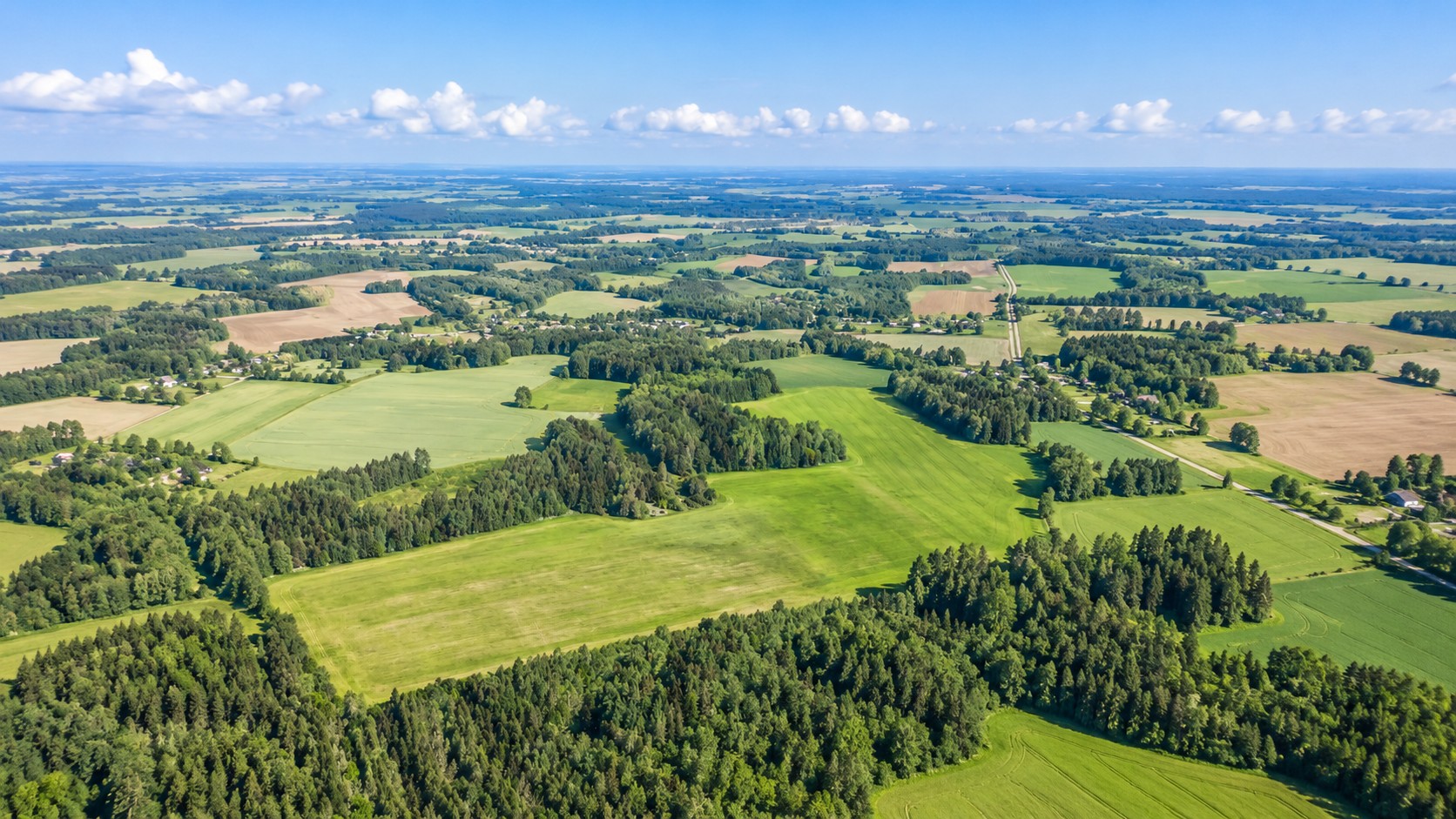
Baltic agriculture is becoming increasingly integrated into European supply chains. Farms are expanding, production is becoming more professional, and active agricultural businesses continue to seek efficiently usable land.
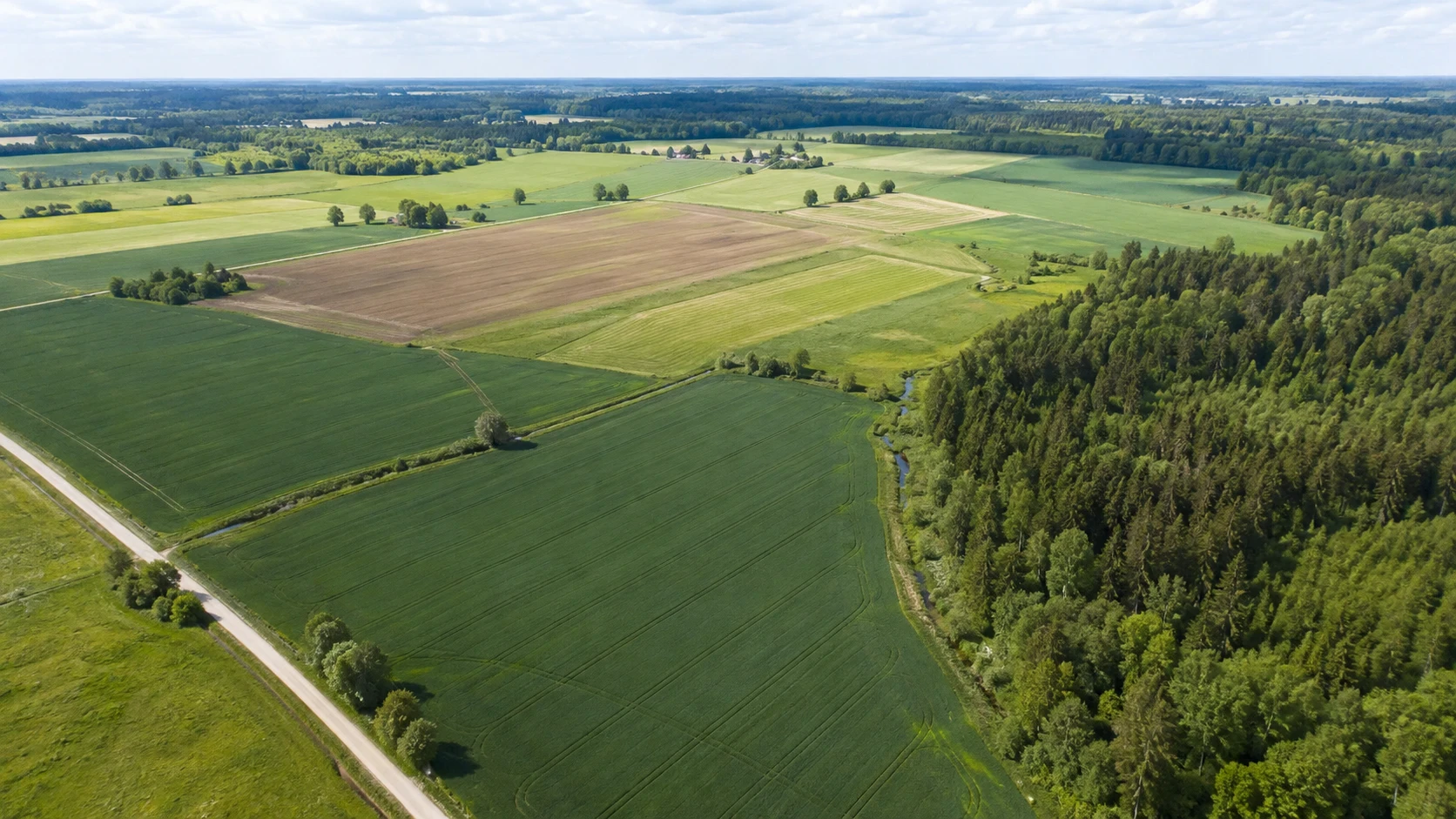
At the same time, properties differ significantly in quality, access, drainage, tenant demand and consolidation potential. It is this combination of factors that determines which properties offer attractive long-term potential.
Baltic Terra’s approach is built around selective acquisition of productive Latvian farmland, local market knowledge and professional long-term management.
Long-term value begins with acquiring the right land at the right price.
* Eurostat notes that the EU average is an estimate based on available national data. Certain country figures may be provisional, estimated or affected by methodological differences.